

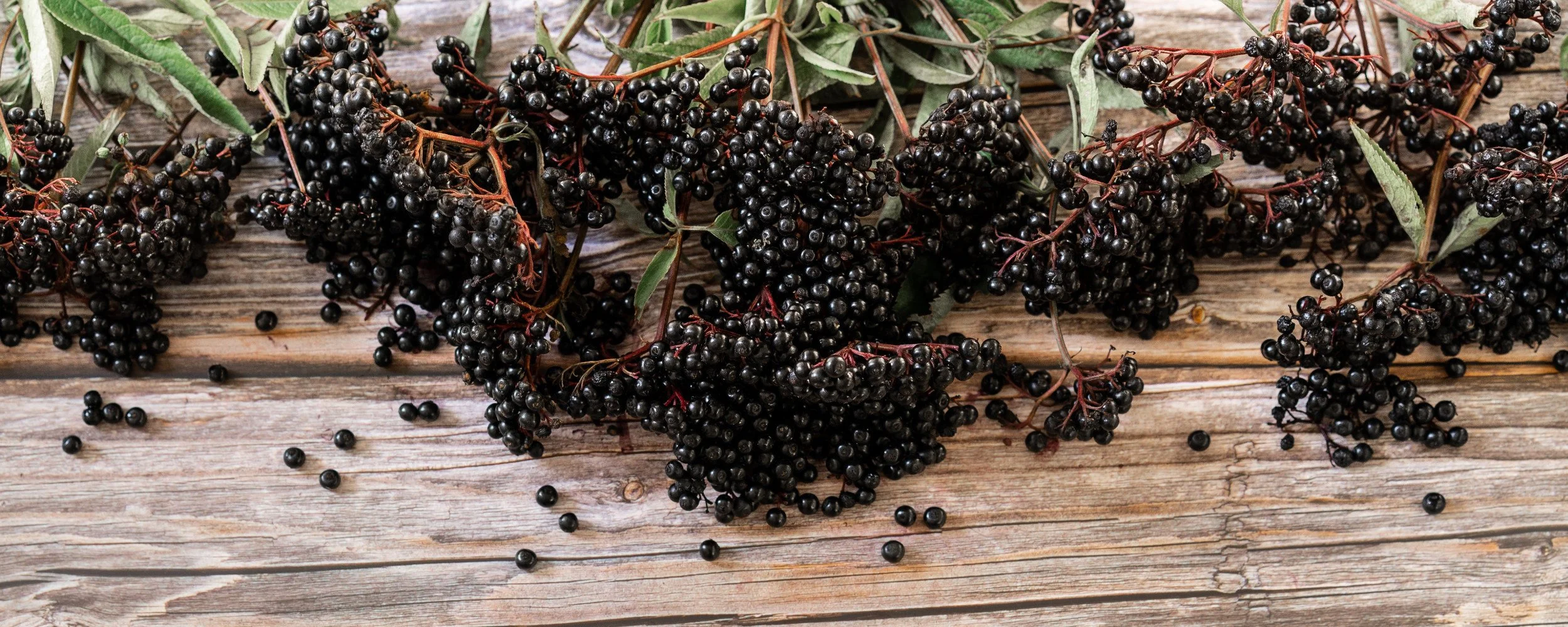
Elderberry
-
Landscaping
Sambucus nigra has a strong landscape value with seasonal floral and fruit displays, wildlife support, rapid growth for screening and versatile use in edible and ornamental plantings. It is an easy care plant, People need to be aware of its toxicity, with all parts of the plant being toxic. It is an excellent choice for temperate Australian gardens needing a fast growing mid size shrub.
-
Culinary & Nutrition
Its important to note that Elderberries berries and flowers are poisonous until cooked.
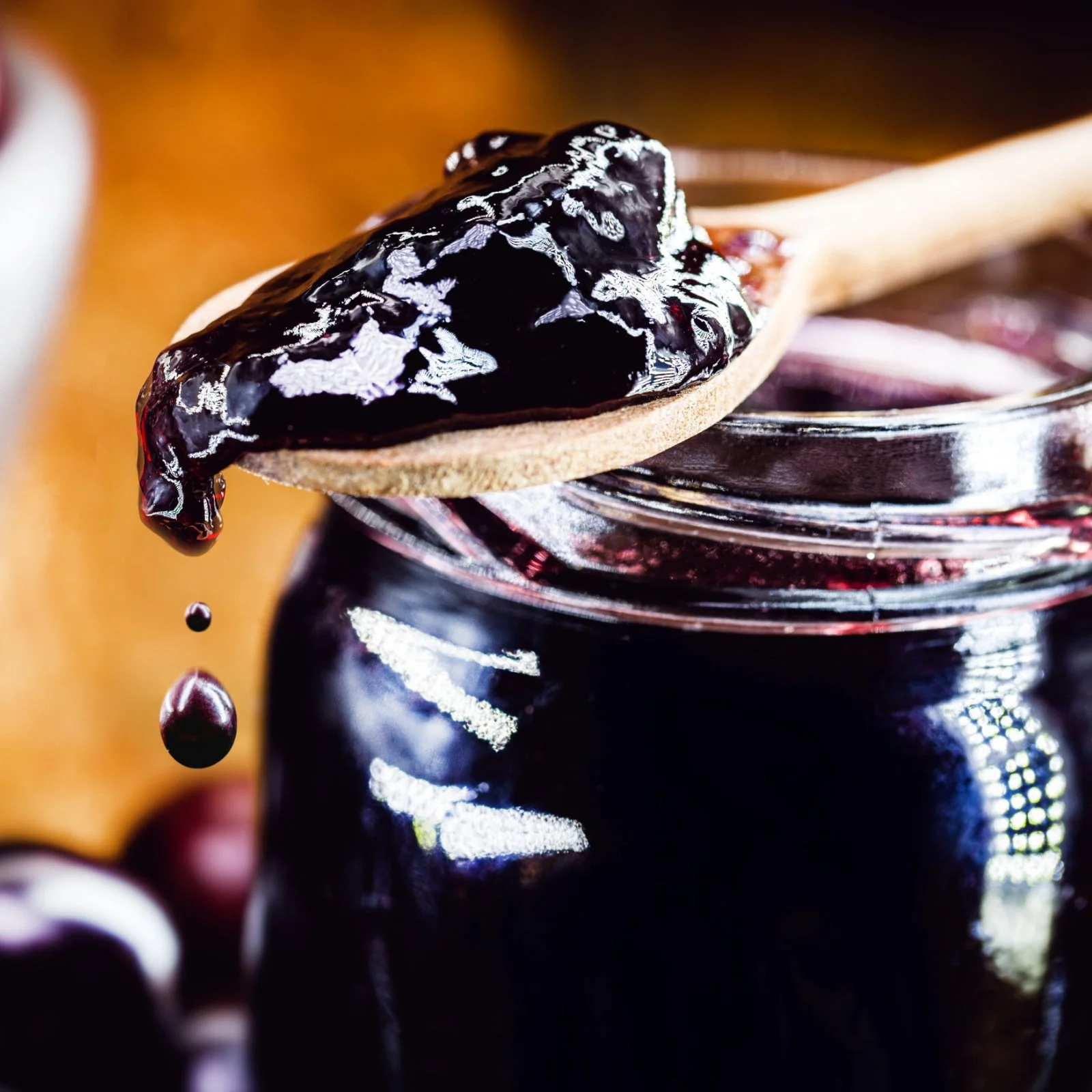
The berries are tangy sweet with floral notes, often turned into syrups and cordials, or as jams and conserves. Used in muffins tarts and pies. Good fibre content, rich in vitamin C high in anthocyanins (strong antioxidant and anti-inflammatory potential).
-
Growing Conditions
Elderberries thrive in moist, well‑drained soils rich in organic matter. They do best in full sun to part shade—full sun boosts fruit yield while light shade suits hotter inland sites. Elderberries tolerate clay to sandy loams but dislike waterlogged ground. Feed with a balanced fertiliser in spring and prune annually to encourage new growth and control the size of the shrub.
Incredible Elderberry

Get inspired by homegrown deliciousness



Incredible Experts
Hang out with our experts for a few home-grown tips and tricks.


Elderberry are a versatile, fast-growing deciduous shrub well suited to many Australian gardens. Known for their clusters of dark purple to black berries and fragrant white spring flowers, elderberries thrive in sunny to partly shaded sites with moist, well-drained soil.
Prune in late winter to remove dead wood and encourage new shoots, elderberries fruit on the current season’s growth, so annual winter pruning keeps yields high. Yearly pruning is also a good way to control the size of the shrub to 2-3 metres high and wide. Elderberries are hardy and frost and cold tolerant.
The elderberry berries and flowers can be made into syrups, jams, cordials, wines, and immune-supporting remedies (good to boost immunity and treat cold and flu symptoms) once cooked (raw berries and other raw plant parts are mildly toxic and should not be eaten). The berries have a good fibre content and rich in vitamin C and A as well as minerals. The black berries have a tangy sweetness with floral notes. Often used in muffins, tarts and pies.
Sambucus nigra