


Kiwiberry
-
Landscaping
Kiwiberry plants, with their lush green foliage and delicate, sweet fruits, enhance any landscape design. Plant them in a sunny spot against a trellis or fence to create a charming vertical garden, great for both privacy and beauty. plant into a mixed border with other fruiting plants can create a diverse and vibrant edible garden, attracting pollinators and beneficial insects. Also suitable for container gardening.
-
Culinary & Nutrition
Kiwiberries can be eaten raw or in fruit salads, nice in tarts, cakes, or as a topping for ice creams and puddings, try them in smoothies!!
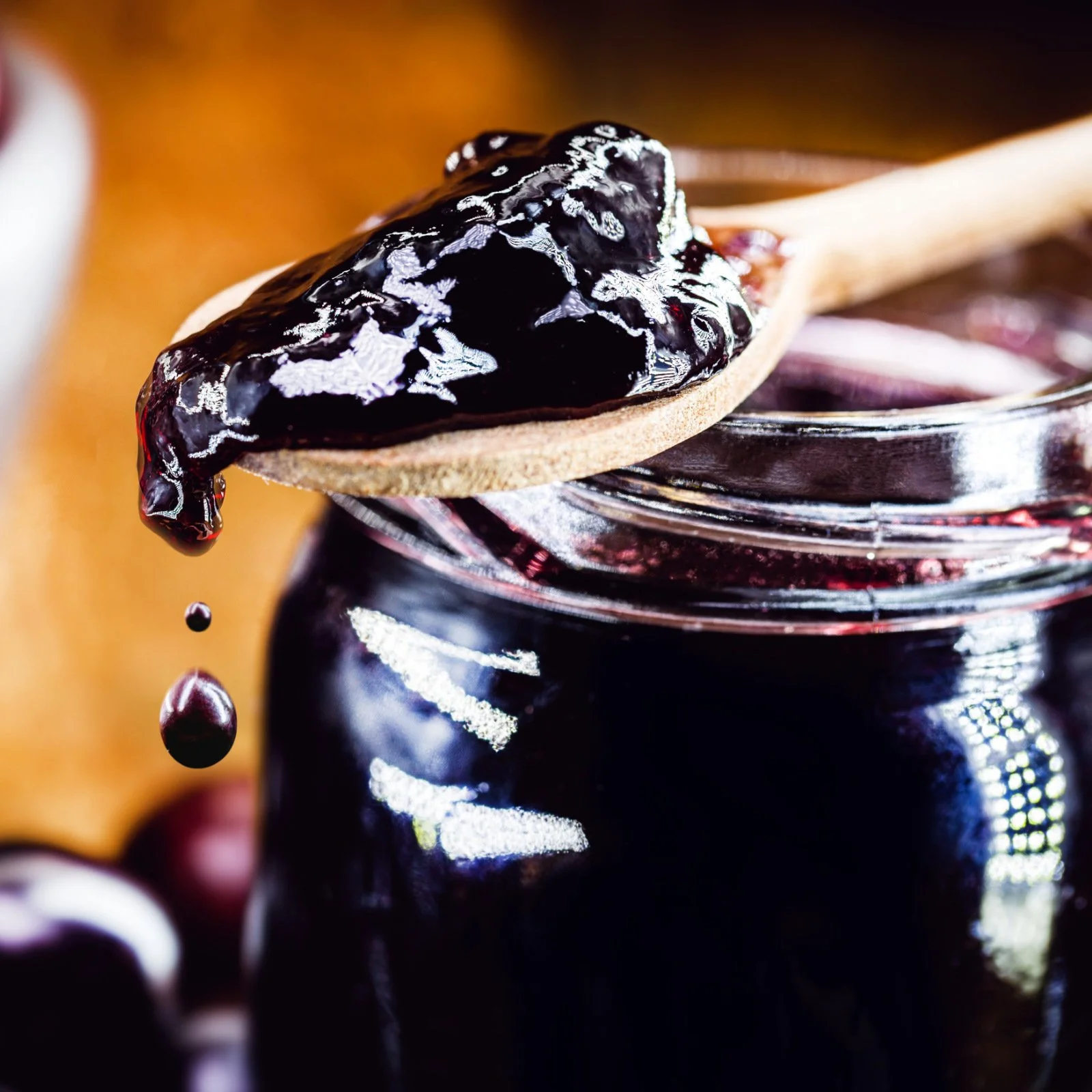
Used as a garnish for seafood and poultry dishes, or cooked down with sugar to create delicious preserves.
Kiwiberries are rich in vitamin C, and they provide a good source of dietary fibre. Their low calorie and fat content make them an excellent choice for a healthy snack.
-
Growing Conditions
Kiwiberries are hardy, vine-like plants that thrive in a variety of conditions. Well-drained, loamy soil is preferred. Sandy or clay soils can be used, but good drainage is essential to prevent root rot. Full sun to partial shade. Ideal to grow over a pergola but provide some protection from wind.
Incredible Kiwiberry

Get inspired by homegrown deliciousness



Incredible Experts
Hang out with our experts for a few home-grown tips and tricks.


Kiwiberries, often referred to as the hardy kiwi or baby kiwi, is a remarkable fruit with is a small, delightful grape-sized fruit, features a smooth skin and typically boasts a sweet, tangy flavour. Kiwiberries are not only delicious, they are also packed with essential vitamins C and E and dietary fibre, making them a highly nutritious fruit.
They thrive in a variety of Australian climates, particularly enjoying well-drained soils and sunny positions. The vines of the kiwiberry plant are vigorous and hardy, producing lovely, vibrant foliage.
Grow over a pergola or against a fence, and prune in winter to desired frame, allowing lots of new growth to develop as fruit is borne on new season’s growth. Maintain a frame that has plenty of 2-3 year old branches, try to remove some old growth every year.
Actinidia arguta