


Feijoas
-
Landscaping
This versatile plant will screen out the neighbour or an unwanted view. Make sure you plant them where you can take full advantage of the stunning flowers over Christmas or the delicious fruit from autumn to early winter. Grows well in a container for many years, providing you provide plenty of moisture and feed.
-
Culinary & Nutrition
Feijoa fruit has good levels of Vitamin C and dietary fibre. One fruit will provide 23% of an adult’s daily needs. The uses for Feijoas are numerous, from simply eating fresh, adding to fresh fruit salads, cooked in puddings and scrumptious in cakes. The fruit is not the only delicacy of this plant - the showy bright red flowers add life to salads or decorate the chocolate log.
-
Growing Conditions
Feijoa prefers a sunny position and tolerates most soil conditions, from heavy clay to light sandy soils. They are frost hardy, so can be grown anywhere in Australia. Prune early in the season to ensure plenty of new growth (more flowers). Pollination is by larger birds, particularly honeyeaters and noisy mynas.
Incredible Feijoa Varieties

Get inspired by homegrown deliciousness


Incredible Experts
Hang out with our experts for a few home-grown tips and tricks.


Feijoa Sellowiana is a seedling plant, the fruit will vary in size and flavour. They are primarily used as a hedging plant with the added benefit of producing fruit. Sellowiana also produces large amounts of Pohutukawa-like flowers at Christmas time. Easy to grow in many soil types. Is a good strong grower. Picking season can vary, but a long picking season can often be achieved if multiple plants are planted. Fruit is ready when it changes colour and drops when touched.
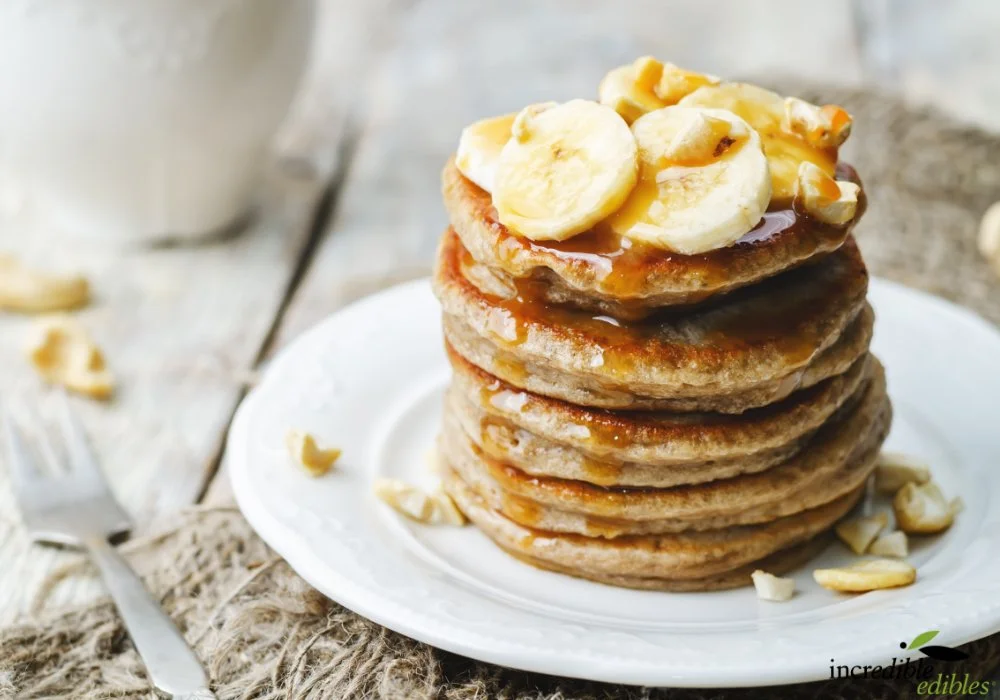
From Feijoas to a delicious Feijoa crumble cake recipe
Flowering occurs at the base of new season's growth. It is, therefore, essential to prune early in the season (if pruning is required) to ensure growth happens for flowering to occur and prune again later to maintain the shape and height of the hedge.
Feijoa sellowiana