


Berryfruit
-
Landscaping
Berryfruit (Blackberry, Boysenberry, and Loganberry) are ideal as an edible screen, along a fence line or deck, or perfect in a pillar rose frame in the garden or a large container, thus making it a focal point. Making sure the fruit can be reached easily to be eaten fresh.
-
Culinary & Nutrition
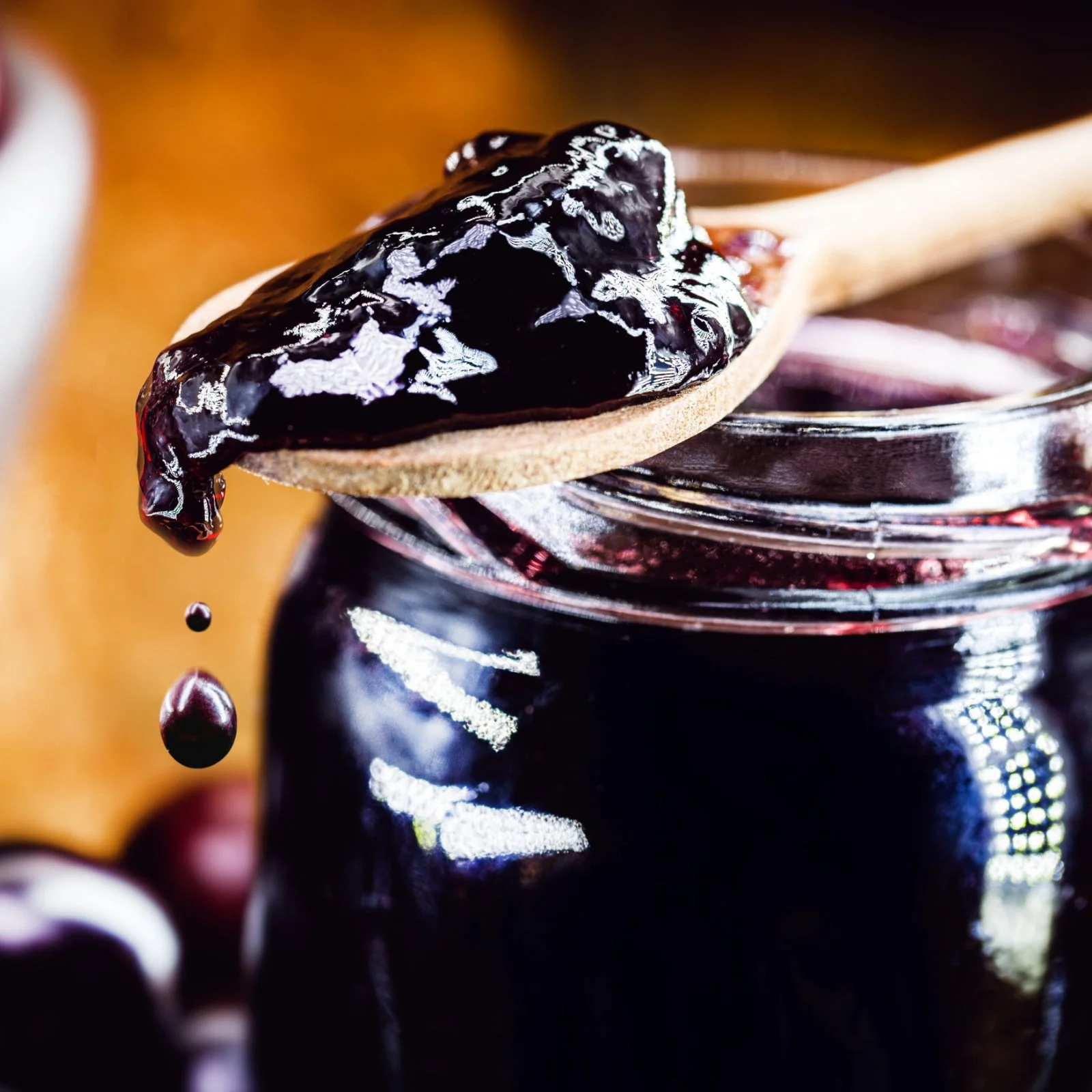
The best way to enjoy the Berryfruits is straight from the plant. Pick them fresh and chill them to use later in a dessert. Imagine them with a bowl of ice-cream. They are a fantastic addition to a fresh summer salad. All berries are great for jams and jellies, juice, or wine. High in Vitamin C and dietary fibre.
-
Growing Conditions
Berryfruit prefers soil with a good content of organic matter and excellent drainage. Choose a sunny position with sufficient mulch to ensure adequate moisture levels during fruit ripening. Berryfruit will benefit from Copper and an Oil spray during winter to help keep the plant healthy and disease-free.
Incredible Berryfruit range


Get inspired by homegrown deliciousness



Incredible Experts
Hang out with our experts for a few home-grown tips and tricks.


White flowers appear in spring, followed by a heavy crop of delicious large glossy black conical fruit of excellent flavour bursting with a fruity, tangy taste with a good level of sweetness. Blackberry Waldo has a compact growth habit, ideal for planting against a wall, fence or growing in a container. It is self-fertile.
Blackberry Waldo berries should be ready for harvesting during late summer. Perfect to be eaten straight off the plant, chilled for later use in desserts, or turned into jams and jellies, juice, or wine. Blackberries are rich in vitamin C and dietary fibre and contain calcium, phosphorus, and potassium.
Check out our Berry Coulis recipe inspiration page, to lift your ice cream, cheesecake or yoghurt to the next level.
Like any deciduous fruiting plant, they benefit from Copper and Oil sprays during winter to help keep the plant healthy and disease-free. Plant in spaces with plenty of airflow as this will also help keep diseases at bay. Protect only from hot, dry winds, plant in a well-drained position with good moisture content and high in organic matter, as this will see the plant thrive. (Mulch annually in spring).
Pruning all brambles involves tying up strong canes produced in spring and summer and removing thin, weak, and wandering canes. In late summer - early autumn, remove 10cm of the terminal growth of the canes. This will initiate the production of fruiting spurs. Remove fruited canes from the soil base in autumn (or winter in cooler, dryer areas).
Rubus eubatus ‘Waldo’