

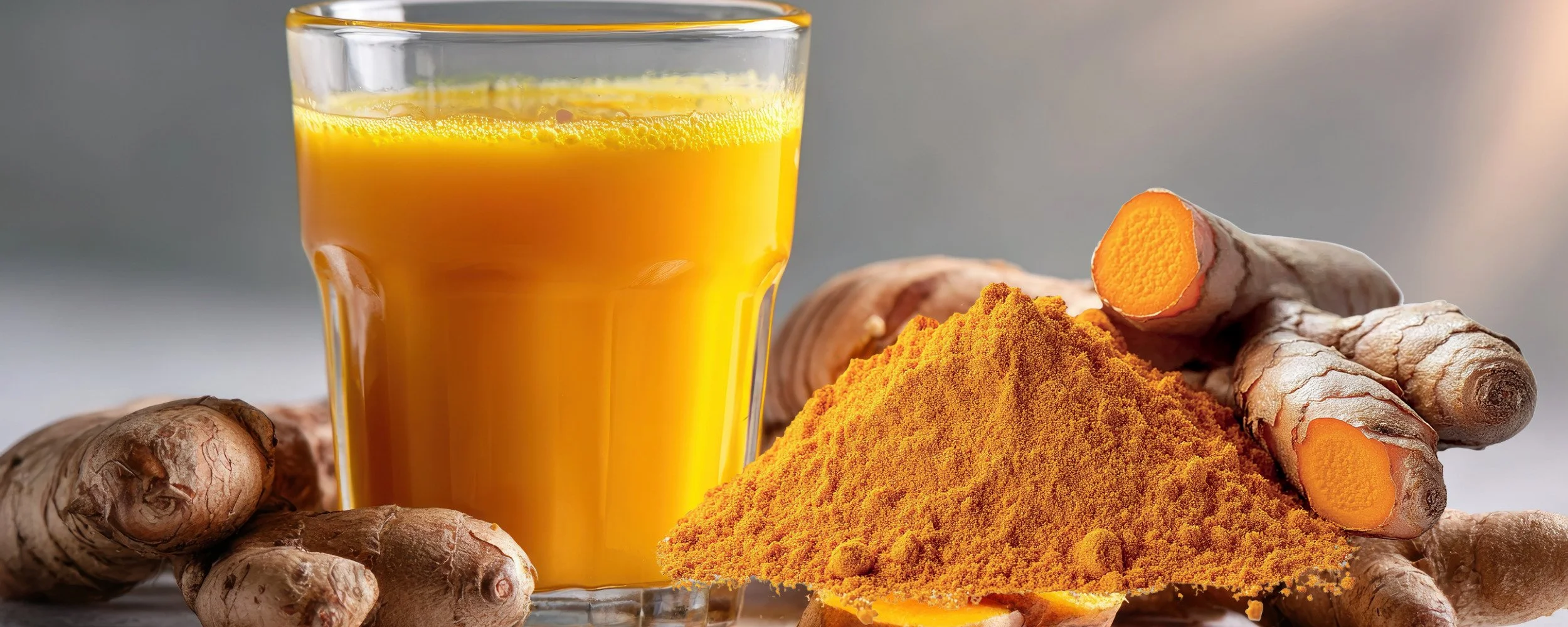
Turmeric
-
Landscaping
With its lush, tropical foliage and vivid orange rhizomes and with striking flower spikes, turmeric creates a year‑round interest in shady to part‑sun positions. Its clumping habit and broad, glossy leaves provide textural contrast with native shrubs and ornamental grasses. The compact growth makes it suitable for courtyard pots, borders and under planting in subtropical to temperate regions. Turmeric improves soil structure with organic matter from decaying leaves. Its dual role as an attractive edible and medicinal plant also encourages multi‑use planting possibilities.
-
Culinary & Nutrition
Turmeric is rich in curcumin, which offers potent anti-inflammatory and antioxidant effects, small amounts of vitamins (B6, C, K) and minerals (iron, manganese) and phytonutrients that may support joint health, digestion and immune function. Regular culinary use of turmeric — often enhanced by black pepper (piperine) and a fat source to improve curcumin absorption. Use in curries, lentil soups and vegetable stews. Toss potatoes, cauliflower in oil, salts and turmeric powder before roasting. Use in smoothies or in home made hummus.
-
Growing Conditions
Grow turmeric in warm, frost-free climates, with rich, well-drained, moisture-retentive soil and a sunny to partially shaded position, keep soil consistently moist but not waterlogged throughout the 7–10 month growing season, feed with a balanced organic fertiliser or compost every 4–6 weeks, provide protection from hot, drying winds and heavy frost by mulching and/or moving potted plants, and harvest when lower leaves yellow and die back (typically late autumn to early winter), curing rhizomes in a warm, shaded spot before storage.
Incredible Turmeric

Get inspired by homegrown deliciousness



Incredible Experts
Hang out with our experts for a few home-grown tips and tricks.


Turmeric powder known widely for its warm, slightly bitter flavor and as a powerful anti-inflammatory compound; curcumin. In addition to the rhizomes, which is what is used to create the turmeric powder, the plant has lush tropical foliage and grows in a warm sunny to partially shaded position, in a soil that is rich and well drained, protected from hot drying winds and protect from frost in the winter months with a good layer of mulch. Turmeric grows quite happily in a pot allowing the rhizomes to be harvested easily and moved to a area protected from frosts.
Plant turmeric rhizomes after the last frost has occurred and can then be harvested after 7-10 months. Cure the rhizomes for 2-3 days in a warm, dry well-ventilated spot, out of direct sunlight.
To make the Turmeric powder, the rhizomes need to be boiled, gentle brush of all the soil and loose skin, breaking the rhizomes into smaller pieces. Place the rhizomes in a pot of water (ensuring all rhizomes are well covered with water), bring to the boil then simmer for 25-30 minutes, till such time you can easily skewer through the rhizomes. Do not over cook as it will draw out the goodness and colour. Drain and allow to cool, then slice into 3mm thick slices and oven dry - 180 degrees (on baking paper) (turning the slices several times, ensuring they do not burn. When dry, shriveled and dark in colour, (or use a dehydrator) put them in a blitzer, sieve the end result and potentially repeat the process with the pieces that didn’t go through the sieve. Remember Turmeric will stain (fingers and bench tops) so wipe down quickly after a spill.
Turmeric from the ginger family, it’s used widely in South Asian cooking, traditional medicine, and increasingly in modern kitchens for golden lattes, marinades, pickles and spice blends. It is recommended to blend either ground powder or freshly grated root in warm fats (oil, butter or coconut milk with a pinch of black pepper to boost flavour and nutrient absorption. Put a teaspoon of turmeric in based before cooking rice, quinoa or whole grains. Toss cauliflower florets, potatoes or carrot, parsnip in oil, salts and a sprinkle of turmeric before roasting. Alternatively simmer fresh turmeric with milk (or alternative) a touch of honey or maple syrup, cinnamon and black pepper to make a warm golden milky drink. Alternative it can be used as rubs, marinades and sauces.
Curcuma Longa